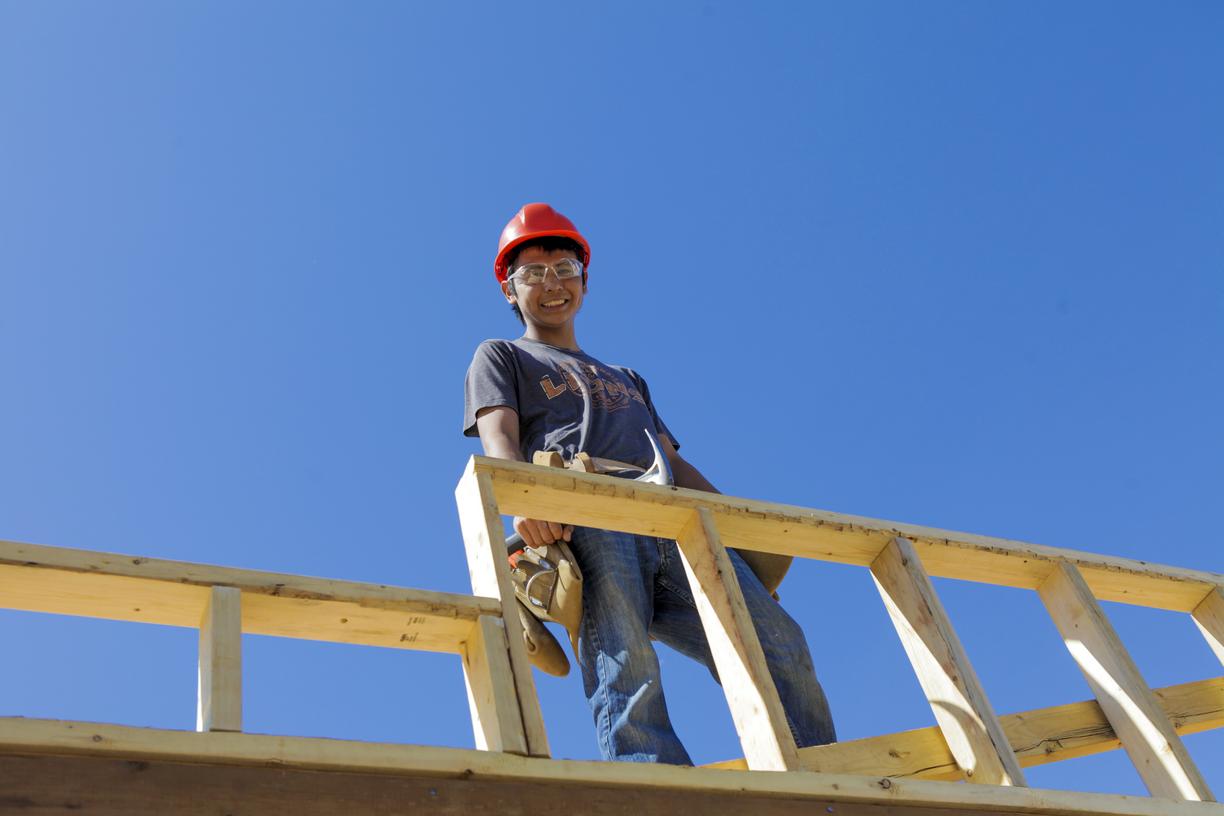
Build skills, gain certifications and lead the change.
Residents in the qathet region can build skills for new career opportunities through free training in deconstruction and reuse of building materials.
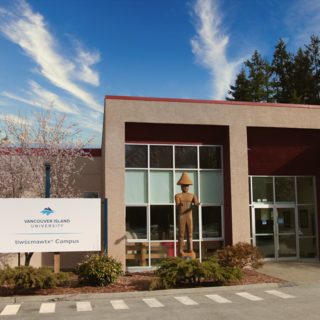
From October 26 to 30, VIU’s tiwšɛmawtxʷ campus, in partnership with the Synergy Foundation, will offer Introduction to Deconstruction and Circular Economy. The course focuses on how to recover, reuse and repurpose building materials instead of sending them to the landfill. In a circular economy, nothing is waste. The circular economy retains and recovers as much value as possible. It is delivered with funding support from the BC's Rural Economic Diversification and Infrastructure Program.
Participants will gain hands-on experience and four industry certifications, with no previous construction experience required. The course offers local adults a chance to explore new skills and work opportunities as the region looks beyond its mill-town roots.
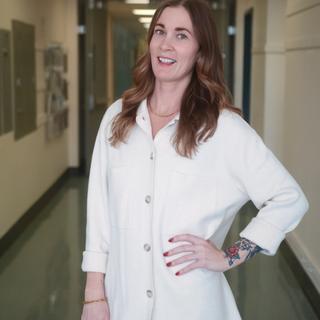
Learn more about the course from program coordinator Elyse Freeborn:
Tell us a bit about the course.
The course came about when Tai Uhlmann of the Synergy Foundation approached VIU with funding to develop new short professional development training in deconstruction and the circular economy. With its expertise in trades training, VIU was a natural fit to bring this opportunity to the qathet region.
The course combines hands-on learning, industry expertise, guest speakers and four industry certifications: WHMIS, Asbestos Awareness Training, Confined Space Training and First Aid Level 1. Learners will explore different aspects of the circular economy, from deconstruction and material diversion to reuse and repurposing, with perspectives from across the construction industry and creative sectors. Not only is the course free, but PPE, including steel-toed boots, and lunch are also covered.
Who is this course for?
This course is open to adults aged 18 and over. There are no educational prerequisites and you do not need previous experience in construction or deconstruction to take part.
It may appeal to people who are already working in the construction industry and want to expand their knowledge and skills, as well as those exploring new career paths or interested in emerging economic opportunities. It is also a great fit for anyone curious about what happens to building materials when structures are taken apart, how materials can be recovered and reused, and how we can divert more waste from the landfill.
The goal is to make this knowledge accessible to people with a range of backgrounds and experience, whether they are looking to build on existing skills or simply learn something new.
What need does it serve in the community?
Since the closure of the local mill, the region has continued to navigate what its economic future looks like beyond its identity as a mill town. Training opportunities that introduce people to emerging industries, transferable skills and practical certification on their resumes can help support that transition.
This course creates an opportunity for people to explore an area of work that connects construction, material recovery, environmental responsibility and creative reuse. It also responds to the realities of delivering training in a rural and remote region, where access to specialized professional development opportunities can be limited.
Through VIU’s tiwšɛmawtxʷ campus, we can bring together industry experts, practical training and recognized certifications in a format that is accessible to local learners. The intention is to help people build knowledge, make connections and explore skills that may be useful in existing or future employment.
Why is this an important topic to educate people on today?
Deconstruction and the circular economy encourage us to rethink the way we build, renovate and use materials. Rather than treating everything removed from a building as waste, deconstruction looks at how materials can be carefully recovered, diverted from the landfill and given another life through reuse or repurposing.
This approach creates opportunities to connect environmental sustainability with practical skills and new ways of working. It also brings together people from different sectors, including construction, waste diversion, reuse and the creative industries to consider how materials can remain useful for longer. Learning about these approaches is an opportunity to explore new possibilities for economic activity while responding to broader environmental challenges. Whether someone is already working in the industry or simply curious about more sustainable ways of building and using resources, understanding the circular economy can help them see opportunities that might otherwise be overlooked.
Register for Introduction to Deconstruction and Circular Economy
Related Posts