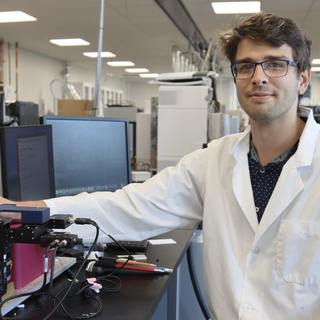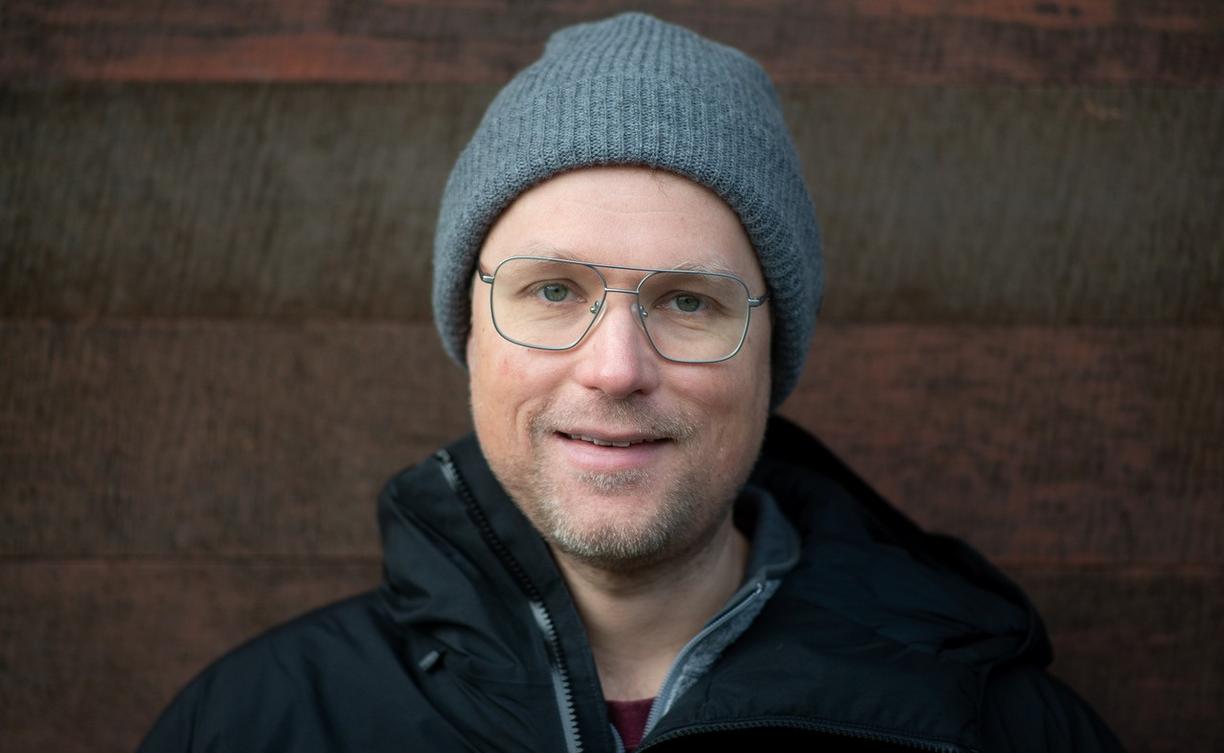
Trevor Wideman is a postdoctoral researcher in the Department of Recreation, Tourism and Hospitality Management at VIU.
VIU researcher Trevor Wideman is investigating how municipalities can better respond to BC’s toxic drug crisis.
Since 2016, more than 18,000 people have died due to British Columbia’s toxic drug crisis. Small cities and rural areas have been hit especially hard. These communities often lack resources to support vulnerable populations.
Trevor Wideman is a postdoctoral researcher in the Department of Recreation, Tourism and Hospitality Management at VIU. Alongside Dr. Sharon Karsten and a team of researchers from the community-engaged research project, Walk With Me, he is identifying resource gaps for people experiencing addiction and homelessness “There’s a disconnect between what’s happening in health care and the responses at the municipal level,” he says.
Health authorities are responsible for direct medical care and public health. Municipalities manage bylaws, land use, housing rules and policing. When these systems work separately, “that lack of coordination can have serious impacts and responses can vary greatly.”
Part of the issue, Wideman explains, is these authorities have different mandates. As a result, the challenge is “bringing those different understandings together and bridging them better. It’s about the drug crisis, but there are a lot of other things wrapped up in that too. When we talk about health and social crises, housing and homelessness are a big part of it, so it can’t really be separated. It’s about being able to look at responses from different angles.”
Wideman’s research focuses on smaller Vancouver Island municipalities. Large cities have long faced challenges around toxic drugs and built policies and services to respond. Smaller cities have fewer resources or expertise available to deal with issues they haven’t seen until the last five to 10 years.
Despite the lack of resources, smaller communities often face pressure from residents to act. Municipal decisions such as housing, public space and policing still shape daily life and affect the health and well-being of residents. Because housing, homelessness and health are linked, Wideman sees opportunities for better coordination across these systems.
His three-year research project is still in its early stages. He’s planning to host community dialogue sessions in participating cities. The goal is to bring together municipal leaders, health authority staff, community groups, and people with lived and living experience of the housing and toxic drug crises.
“My dream would be to run community dialogue sessions and then hold events that ask, ‘What did we hear?’” Wideman says. “I want to foster connections among municipal staff, health-care providers and affected individuals. The goal is to develop actionable insights to improve crisis responses and build lasting partnerships.”
Wideman has received a Michael Smith Health Research BC Trainee Award to support his research. The program supports career development for talented post-doctoral or health professional researchers.
Media contact:
Eric Zimmer, Communications Officer, Vancouver Island University
P: 250.618.7296 | E: Eric.Zimmer@viu.ca | W: news.viu.ca
Related Posts